
What Most People Waste Money On and How to Avoid It
It is a fact that the majority of people are unaware that minor spends can easily accumulate to a large sum over a period of time. Small daily habits and routines that you might think are just normal and harmless, but actually many ways of spending money go down without you noticing. On the whole, these kinds of purchases take away your money little by little and restrict you from achieving your long-term goals. The good thing is that by figuring out the sources of these stealth expenses and the ways of taking back the control over them, you will be able to choose more consciously and to have a better relationship with money.

Understanding the Biggest Money Wasters People Overlook
Contrary to what people might expect, however, the biggest money wasters are not major purchases such as cars or electronic gadgets. The largest money wasters come from the repeated expenses that people hardly ever think of. Most of the time, these small money-draining habits are kept alive because they bring people either comfort, convenience, or a certain routine—so it is quite difficult to realize them until you have already done some serious damage to your budget.
1. Subscription Traps That Grow Over Time
Subscriptions is one area where money just seems to go out of your hands without noticing. The very common situations of turning free trials into paid plans, having unused memberships, and automatic renewals make your spending beyond control. It is the general idea that someone uses every service they pay for so it is only reasonable to think that streaming platforms, apps, or gyms are fully utilized in a month. But the truth is the usage is minimal to the extent that it is hardly any, yet the charges keep on coming.
2. Convenience Purchases That Add Up Fast
The principle of convenience is hard to resist, no wonder the trend is gaining momentum. Along with that, the consumers are left with the illusion of efficiency while indulging in food delivery, last-minute shopping, or quick retail runs. The reality is that besides the base price of the products there are additional costs in each transaction—surcharges, markups, and service fees—that cause the total to increase exponentially. Thus, a $15 package of food can easily go up to $30 due to fees—and if this habit is repeated on a weekly basis, it will definitely lead to the loss of a substantial amount of money without people realizing it.
3. Lifestyle Creep and Social Comparisons
With the increase in salary, the people tend to correspondingly change their expenditure habits. The situation is described as lifestyle creep. Upgrading one's phone, wardrobe, eating out more, and going on more luxurious vacations are the ways people choose instead of saving the extra money. Social media intensifies the effect even more—small changes that are done only to give the impression of being successful can turn out to be the biggest money wasters of adulthood.
4. Poor Planning That Causes Repeat Spending
One of the things that lead to repeated spending is the constant forgetfulness of essentials such as chargers, toiletries, and food ingredients. This is especially true when people are away from home or engaged in some activities. The general rule that if you buy things on the go they will cost you more is true, and so are the unplanned purchases made by people who find themselves in a difficult situation.
5. Brand Loyalty That Isn’t Based on Value
Quite a number of consumers who use popular brands are there because they are habitual users, influenced by the marketing, or socially inclined. Nevertheless, brand loyalty can be the most unnoticed single money wastage of a person’s account when there are cheaper alternatives of the same quality. By not doing price comparison or checking product reviews, people are more likely to spend a higher amount only because the product carries a certain brand name.
Common Money-Wasting Habits You Might Not Notice
Identifying patterns in daily expenditures is a must if you want to lower your needless spending. These actions may seem normal to you, but they are among the most common money-wasting habits that have a major negative impact on your financial situation without you realizing it.
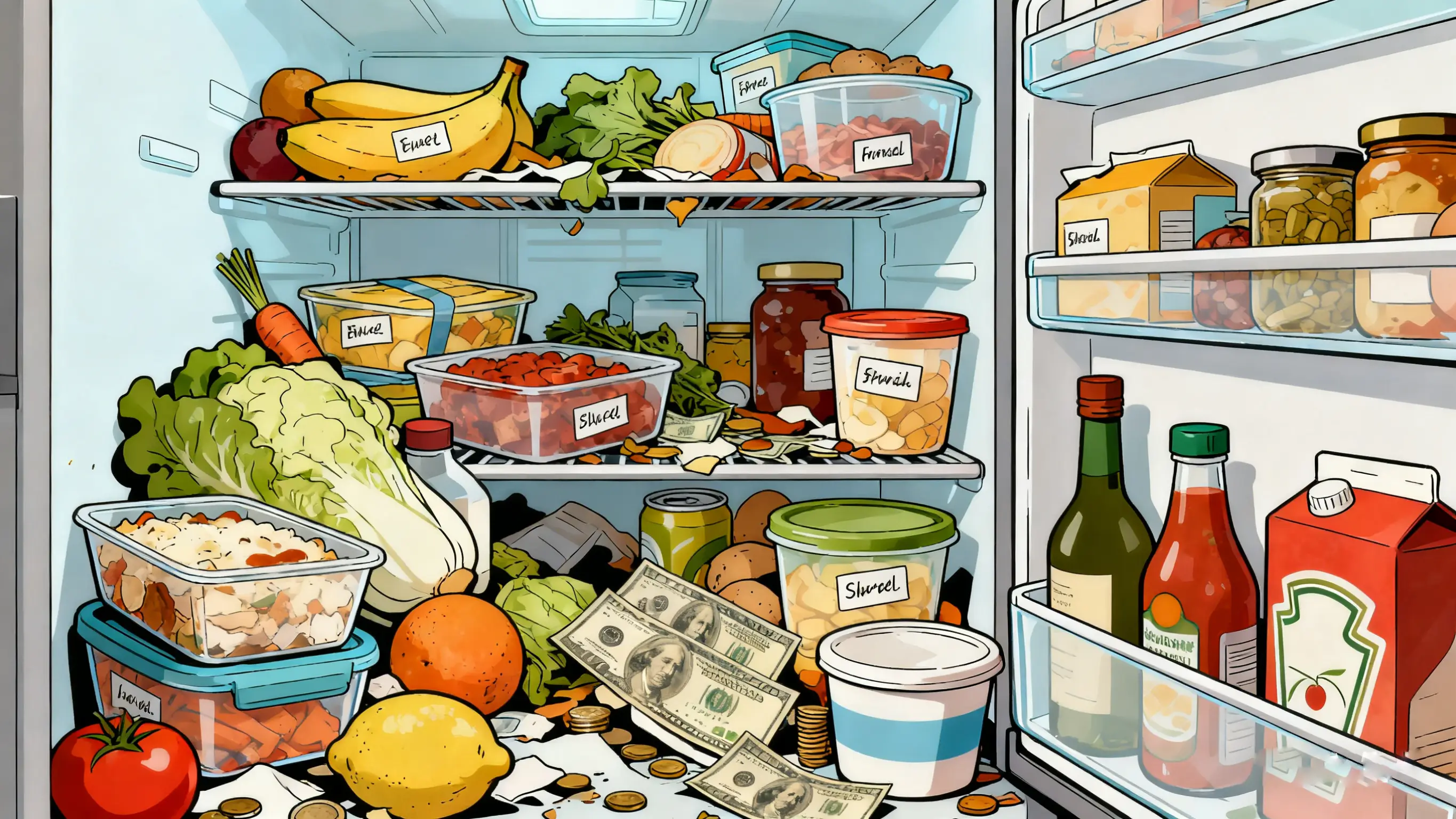
1. Not Reviewing Bills or Automatic Charges
The majority of people do not look into their bank statements or monthly bills in detail. A variety of things like hidden fees, small increases, and unnecessary service charges can stay in the dark for months or even years. The time by which they are found, the total overpayment can be stunning.
2. Impulsive Purchases Driven by Emotion
One of the most widespread patterns is buying something to help you get through a stressful period or to celebrate when a small victory is achieved. Emotional spending is among the most injurious common money-wasting habits, as it sets the spiral going: the very short-lived joy turns into remorse and then the process repeats. The purchase was not necessary—it just happened to temporarily satisfy the emotional need.
3. Overbuying Groceries and Household Items
There are quite a few families that waste money on foods and supplies that they buy in large quantities, but in reality, they cannot consume or use them. In such a situation, sales or bulk offers may look like a good choice, but if products expire or are kept, the so-called savings are only a trick.
4. Not Planning Ahead for Routine Purchases
The absence of planning most of the time results in purchasing what is the easiest to get—even if it is more expensive. The examples can be: snacks bought at a petrol station, last-minute gifts purchase, and paying rush fees for shipping—all of which are ways to spend money unnecessarily.
5. Failing to Compare Prices
One of the easiest common money-wasting habits from which people should fix right away is shopping without comparing prices. Thanks to online tools and applications that facilitate price comparison, it is very seldom that a person decides to pay the full price without checking other alternatives.
How to Stop Money from Leaking Out of Your Pocket and Develop Better Habits
Understanding your biggest problem areas is only the first step. Learning how to stop wasting money in real-life and sustainable manners comes next. You haven’t to live under harsh budgeting rules and deny yourself for the sake of your finances. All you need is a smarter method.
1. Try not to Buy Immediately
One day wait before purchasing can be enough to eliminate those buying impulses that come with you. Infinite postponing of the decision to buying makes you realize if you really want that product or if it is only a fleeting desire you have felt. When it comes to shopping on the internet, just thinking about your purchase overnight can make you come to a completely different conclusion.
2. Keep Track of Your Subscriptions
Looking through all subscriptions every couple of months must be a part of your life. Anythings that you scarcely use, you should drop. Doing so can lead to cutting down on hundreds of dollars yearly without you even realizing it, and to take the first step toward your guiding question how to stop wasting money is the easiest way to achieve.
3. Have Intelligent Comparison Shopping
Comparing brands, models, and prices before purchasing is a must. Also, replacing rifficult checking by browser extensions or price-checking apps can be an easier method to finding the cheaper option. Most of the time, the quality of the less known or generic is the same as the reputed one; thus, you will only spend a fraction of what you had planned.
4. Cut Down on Your Spending Categories
In fact, you do not have to come up with a complex budget. Just by setting a few categories such as food, entertainment, essentials, savings and associating them with a specific amounts of money will be enough. Having a simple system will lower the pressure and it will be easier for you to notice your progress by checking the records.
5. Start Thinking in Terms of Value Instead of Impulse
The main source of excessive unnecessary household spending that can be eliminated by the value concept is the short-term consumption side of the problem. Things that are made of cheap materials and break quickly, things with short shelf-life, and products bought only once are among the biggest money wasters. Don’t just limit yourself to buying things that match your goals and give you a lasting benefit; rather, make it your main goal.
Conclusion:Waste Reduction Requires More Awareness and Less Restriction
Improvement of personal finances is not a matter of one day. It starts with comprehending the often money-wasting habits that influence your daily behavior. Identifying the largest money wasters and implementing straightforward tactics for how to quit wasting money enable you to cultivate good financial habits in a non-restrictive way. Each small step toward conscious spending lays down the foundation of long-term financial security, inner peace, and the liberty to spend on what you value the most.

FAQ
1.What are the biggest money wasters for most people?
Most of the money that goes to waste is on unexpected subscriptions, impulse food purchases, buying for convenience, and lifestyle changes that don't really add any value.
2. How can I identify common money-wasting habits in my life?
It is good to check your bank statements every month, keep a record of your emotional spending, and be aware of the things you buy repeatedly without planning.
3. What is the easiest way to learn how to stop wasting money?
You can initiate the process by removing the services that you do not use and pausing your nonessential purchases. Minor changes can bring about major results.
4. Why do people overspend even when they know better?
People's spending habits are influenced by factors such as habit, convenience, emotional triggers, and social pressure.
5. How long does it take to build better spending habits?
If one is consistently aware and has simple routines, most people will notice their spending habits getting better in a couple of weeks.
Hot Products
 Lukasa Christmas Gifts, Christmas Candle Warmer Lamp, with Timer and Dimmer, Adjustable Height Candle Lamp, Wax Melt Warmer for Scented Jar Candles, Christmas Gifts for Women Mom Girls Teens Adults$19.49$29.9935%
 Military Smart Watch for Men(Answer/Make Call), Outdoor Sports Smartwatch with Flashlight/100 Days Battery/Compass/Heart Rate/SpO2/Sleep Monitor/2 Straps, Fitness Tracker for iPhone/Android Phones$22.79$45.5750%
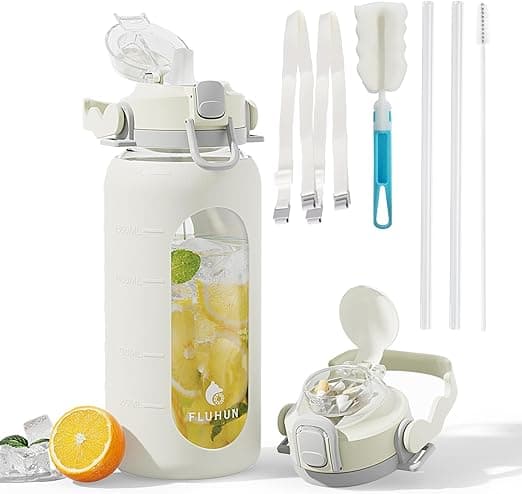 64 Oz Glass Water Bottles with Straw Lid and Handle, Half Gallon Water Bottle Glass with Silicone Sleeve and Strap, Motivational Glass Bottle with Time Marker, Reusable Sport Water Jug (White)$15$29.9950%
Top Articles
 How to Create a Cozy Home on a BudgetDiscover cozy home decorating ideas on a budget and learn affordable home decor tips and interior design tricks to create warmth and style for less
 Smart Shopping Tips for Conscious Consumers 2025Learn smart shopping tips and conscious consumer habits to make intentional purchases that align with your values and build a mindful sustainable lifestyle
 Budget Home Refresh Ideas to Upgrade Your Space for LessGet budget home refresh ideas and affordable home upgrades with simple low cost home improvement tips to make your space look new.
 Why Young People Choose Value in the Frugal MovementDiscover why the new frugal movement is rising as young people choose value over hype focusing on mindful spending durability and meaningful purchases.
 How to Plan a Low Cost Weekend That Feels SpecialLearn simple low cost weekend ideas and budget friendly plans that help you relax recharge and enjoy meaningful moments without overspending.