
Stop Subscription Services Draining Your Budget in 2025
During the last ten years, monthly memberships and digital services have been a major influence to the way consumers spend their money although their influence was not very much apparent. What used to be only a few entertainment platforms has now become an ecosystem that offers pretty much everything: meal kits, fitness apps, educational tools, productivity software, and even curated lifestyle boxes. Most of the time these subscriptions pledge to provide convenience, delight, and personalization, thus making the daily life of the subscriber simpler at the cost of a small monthly fee. However, in contrast to the initial intentions, the prices can become quite high without a consumer realizing it while signing up for multiple services simultaneously.
Quite a few people have unknowingly accumulated a long list of recurring charges which they have become so used to that they do not even notice them. The fact that these expenses are covered by automatic billing makes them appear to be less significant while in reality, they may take a larger share of the monthly budget than estimated. This issue has become so widespread that it now covers almost all demographics - students, families, and working professionals. The very first step in regaining the financial control and establishing smarter long-term habits is to comprehend the way in which these costs accumulate.
Why Subscription Services Cause Subscription Budget Drain
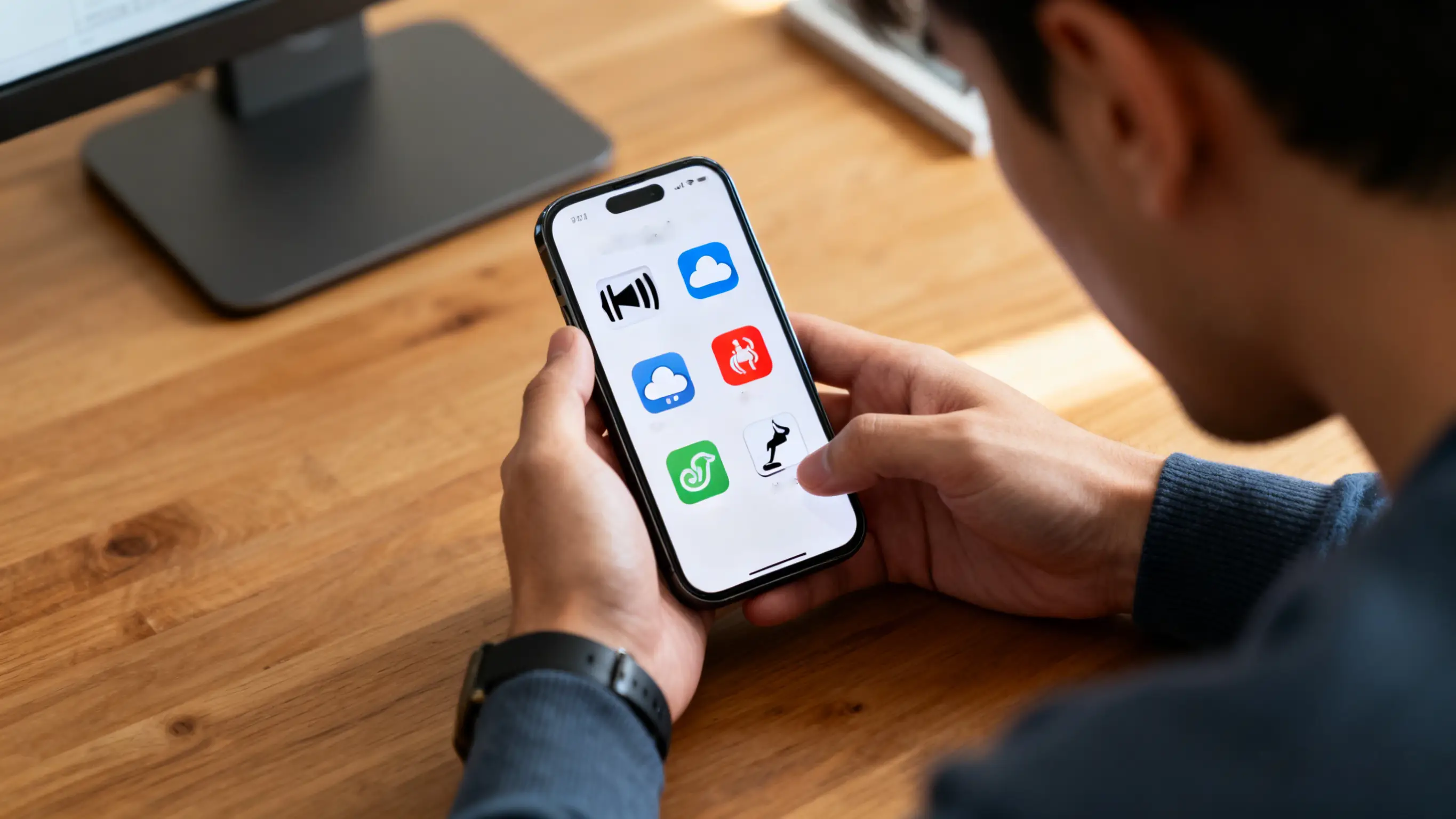
Subscription services intentionally keep the perception of affordability. However, when you think of how often these services stack up, they are the main reason your subscription budget is drained significantly. One may think that a simple monthly charge of $7 or $12 is not that much. However, when one thinks of several platforms, hidden add-ons, and tiered pricing upgrades together, the sum could be even more than the cost of major household bills. The emotional and psychological factors behind the design of these services are one of the reasons consumers grossly underestimate their financial impact.
1. The Psychological Illusion of “Small Payments”
Essentially, most consumers decide to subscribe because the initial investment looks like a small one. A few dollars per month can still be affordable, especially if compared to traditional one-time purchases. Subscription businesses are aware that customers will take this approach and so they execute their strategy accordingly. Recurring payments seem less painful because they are done over a longer period of time. However, this deception allows people to commit without thinking of long-term costs. It could be that a $10 meditation app or a $15 streaming service is an innocuous deal if taken separately but when one stacks these commitments, it results in a slow financial leak.
On top of that, a lot of these subscriptions offer trial periods that are converted automatically. Consumers not only forget about canceling after the expiration of the promotional offer, but also they do not reassess the service's relevance. This pattern of behavior can last for years leading to an invisible subscription fund leak which eventually, upon careful auditing, shows its real magnitude.
2. Hidden Fees, Variable Pricing, and Add-Ons
Frequently, companies initiate price increases, add new fees, and offer upgraded features that both enhance the customer experience and raise the monthly bill. Without checking their statements regularly, customers may not realize that their prices are automatically changed. For instance, a platform may raise its fee by $1–$3 every year, which, on its own, sounds negligible. However, if a lot of companies undertake such a practice, the small increments add up to a significant amount.
On the other hand, the addition feature may silently signal the next hidden contributor. A music application can request a separate charge for high-quality audio. In order to have a family plan, a streaming service could require an extra payment. Even productivity software can offer tempting upgrades that enhance the user experience. These optional features turn what initially seemed like a small commitment into a recurring expense that gradually increases.
3. Too Many Overlapping Services
Duplication is one of the reasons why people have a subscription budget drain. Many consumers unknowingly subscribe to multiple platforms with nearly identical benefits. For example:
- Two or three streaming services with overlapping content
- Multiple cloud storage providers
- Several fitness or meditation apps
- Two meal subscription boxes used inconsistently
- Several digital learning platforms purchased for similar purposes
The overlapping of these services results in unnecessary financial waste. Because subscriptions are set to renew automatically, the majority of people still pay for them even though they have lost value or become redundant.
4. Low Usage Rates and “Set It and Forget It” Habits
There are numerous subscriptions that are left unused for quite a long time periods, sometimes weeks or even months. The categories of fitness programs, educational tools, lifestyle boxes, and other types of memberships are the most frequent examples. When consumers do not track or evaluate their usage, they are likely to continue paying without interruption, thus, a recurring subscription budget drain that lacks in value continues to accumulate.
Small charges that are made can be the reason why these habits have remained. But over a year, subscriptions with low usage can be responsible for hundreds of dollars being spent. The only thing that could put an end to this situation is learning how to be intentional and selective in managing subscription services.
How to Manage Subscription Services Without Losing Value
Effectively managing subscription services doesn't call for a radical money-saving measure. What it does require, though, is being aware, keeping track, and strategically organizing. By giving it some thought and taking care of it yourself, you can cut down on the waste of money on subscriptions while still having in your possession the ones that actually bring you some value.
1. Conduct a Full Subscription Audit
Firstly, write down all the recurring charges that appear on your bank account and credit card statements. It's quite common that people in this situation find themselves utterly shocked by the existence of some subscriptions that they forgot altogether. In the course of your examination, you should also sort each subscription into these four categories:
- Essential – services that are necessary for carrying out your work, getting educated, or living your daily life in normal way
- Useful but optional – services that you like but don't necessarily have to have
- Underused – those that you barely or never make use of
- Redundant – the ones that have overlapping functionalities
By doing this classification, it becomes more manageable to handle subscription services through the removal of things that are left with no value.
2. Use Subscription Tracking Tools
There are applications whose main function is to track and manage subscription payments. These instruments bring to your attention renewals about to happen, charges that were not expected, or trial periods that are about to expire. They also help us understand better our spending pattern over time and hence be able to take more informed financial decisions.
By means of these tools, it becomes a piece of cake to pinpoint the areas where you are over-indulging in terms of expenses and also keep track of subscriptions so that they do not escape your notice.
3. Practice “Rotational Subscribing”
Rotational subscribing is a money-efficient way of managing one's entertainment budget by which one subscribes to a single service altogether for a certain period and not keeping all of them simultaneously active. A few illustrations may be:
- Subscribe to one streaming platform for three months → pause it → switch to another.
- Choose one fitness app for a quarter → cancel → opt for another later.
- Sharpen your skills via different e-learning platforms in rotation according to your plan for each quarter.
Such a method is aimed at avoiding overlaps and helping people to cut the subscription budget while being able to consume the premium content all year round.
4. Leverage Free Alternatives and Bundles
Before you commit to a paid service, be sure to check if:
- The service also offers a free version
- You have a credit card that gives you access to free memberships
- Your company or university is granting you access for free
- A family or home plan can lower the expenses for you
- Discounted annual pricing is a better deal in the long run
When you are careful with how you manage subscription services, bundles will be very helpful in terms of efficiency. Most of the time, paying for one all-inclusive package is far more affordable than paying for several individual options.
Which Subscription Should You Keep or Cancel
After that, you have to figure out which of the subscriptions you want to keep based on their usefulness, money-saving potential, and whether or not they were relevant to your everyday life. The decision about which services you keep in your budget for the long run may depend on your personal likes and dislikes, but there are some basic principles that help you make this decision.
1. The Subscriptions That You Should Keep in Most Cases
These types of memberships usually give you a good return on your investment and are worth their price:
Productivity & Work Tools
On-demand storage, indispensable software, and a project management platform are, in most cases, the main drivers of professional success. If these tools are the ones that directly help you make money or are a source of your time-saving, then you should not give them up.
Health & Wellness Services
Workouts, counseling sessions, and lifestyle programs that you have been actively following and that deliver tangible results are examples of them. They become a safe long-term investment in your health as long as you keep your commitment to them regularly.
Essential Entertainment or Learning Platforms
Select only the one or two you utilize most frequently. Any platform that entertains you every day or helps you grow personally is a high-value one.
2. Subscriptions That You Should Probably Decide to Cancel
These provisions are usually the main culprits of that part of the subscription budget that is spent on unnecessary things.
Duplicate Content Services
In the event that two video streaming services satisfy your viewing needs, it is best to unsubscribe from one of them. Eliminating redundancies is one of the major ways of saving.
Substantial Disengagement from Subscriptions
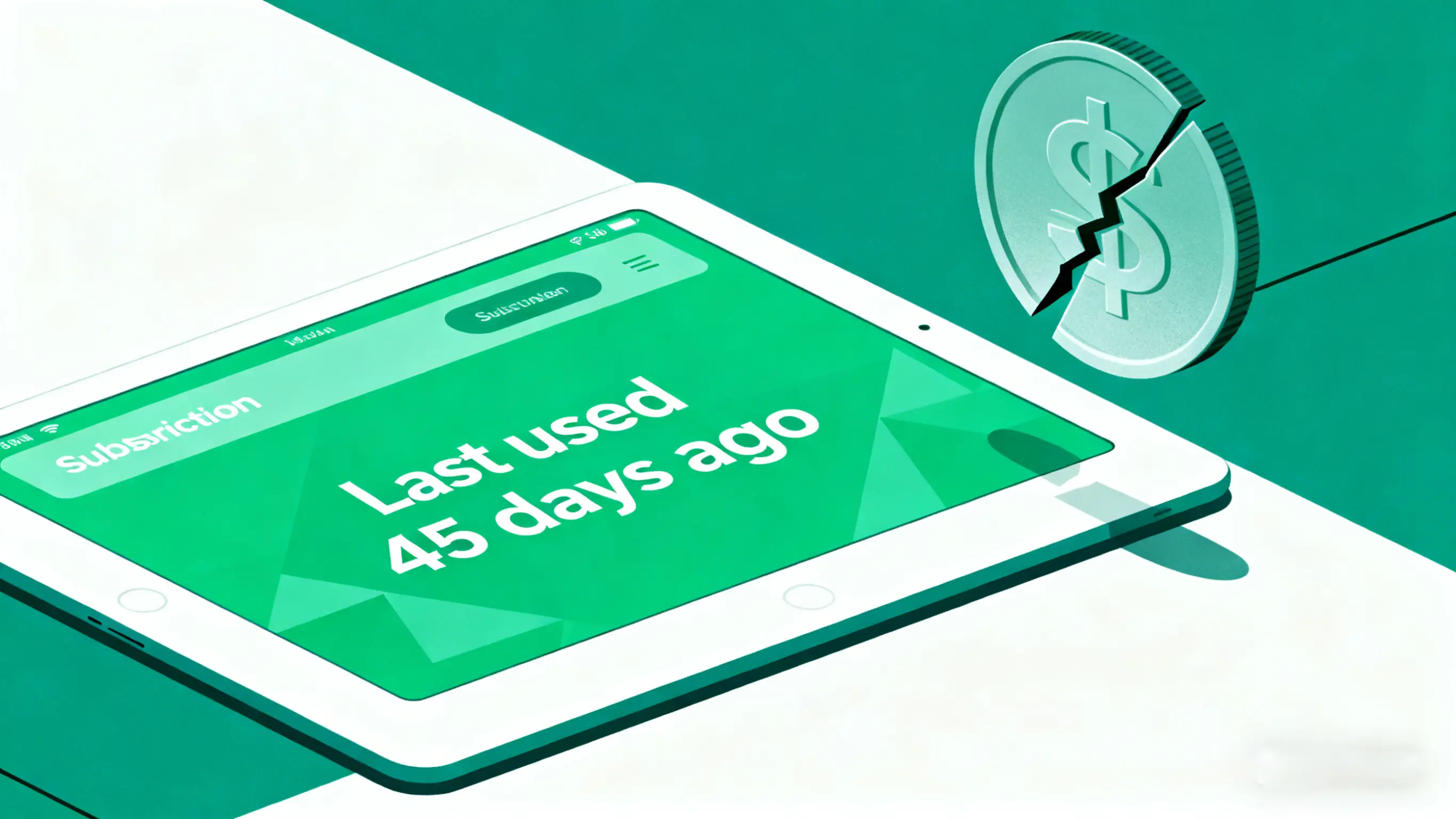
Imagine a scenario where a person has not accessed a platform for over 30 days. Most probably, the platform is no longer useful to that person.
Trial Conversions Resulting in Impulsive Decisions
Helpings of promotional trials you impulsively decided to try—especially those resulting in the sudden activation of a paid service—usually have a very marginal value in the long run.
Luxury or Lifestyle Boxes
Unless you are someone who is always happy to showcase the products or frequently uses them, they can turn out to be pricey and unnecessary pieces of your spending plan.
3.The Rule of Purpose, Use, and Return
In order to make this decision of which subscriptions to keep, think about each of them in terms of the following three points:
- Is the service fulfilling a need?
- Are you regularly employing it?
- Is the money-off and money-on balance favourable enough?
It may be a moment when you should cancel a service if it is impossible for it to accomplish two at least of these three conditions.
Conclusion
With subscription services, you may improve your living standard; however, if you do not supervise them mindfully, they will most likely lead to a subscription budget drain that is silent and steady. By managing subscription services deliberately, monitoring your recurring expenses, and deciding which subscriptions to keep, you will still be able to enjoy life and maintain financial stability.
The secret lies in balancing: retain the ones that enhance your quality of life and remove the subscriptions that drain your budget silently. It is possible to have a healthier subscription environment that is less expensive if you adopt simple habits and make decisions strategically.

FAQs
1. How can I prevent a subscription budget drain?
The safest method would be to keep a very close eye on your recurring payments. Frequent audits and the use of tracking tools help you stay informed and make sure that you are not paying for services that you do not use.
2. How do I manage subscription services more effectively?
By using tracking apps, reviewing your bank statements every month, and organizing your subscriptions by category you will be able to spot that you have been spending unnecessarily.
3. How do I decide which subscriptions to keep?
To begin with, reflect on the usage, run a cost-benefit analysis, and then consider the personal value. Mostly, subscriptions, which make you more productive, give you a sense of well-being or make your daily life easier, are the ones to keep, whereas you may want to consider canceling the ones in which you barely use or to which you are redundant.
Hot Products
 Lukasa Christmas Gifts, Christmas Candle Warmer Lamp, with Timer and Dimmer, Adjustable Height Candle Lamp, Wax Melt Warmer for Scented Jar Candles, Christmas Gifts for Women Mom Girls Teens Adults$19.49$29.9935%
 Military Smart Watch for Men(Answer/Make Call), Outdoor Sports Smartwatch with Flashlight/100 Days Battery/Compass/Heart Rate/SpO2/Sleep Monitor/2 Straps, Fitness Tracker for iPhone/Android Phones$22.79$45.5750%
 64 Oz Glass Water Bottles with Straw Lid and Handle, Half Gallon Water Bottle Glass with Silicone Sleeve and Strap, Motivational Glass Bottle with Time Marker, Reusable Sport Water Jug (White)$15$29.9950%
Top Articles
 How to Create a Cozy Home on a BudgetDiscover cozy home decorating ideas on a budget and learn affordable home decor tips and interior design tricks to create warmth and style for less
 Smart Shopping Tips for Conscious Consumers 2025Learn smart shopping tips and conscious consumer habits to make intentional purchases that align with your values and build a mindful sustainable lifestyle
 Budget Home Refresh Ideas to Upgrade Your Space for LessGet budget home refresh ideas and affordable home upgrades with simple low cost home improvement tips to make your space look new.
 Why Young People Choose Value in the Frugal MovementDiscover why the new frugal movement is rising as young people choose value over hype focusing on mindful spending durability and meaningful purchases.
 How to Plan a Low Cost Weekend That Feels SpecialLearn simple low cost weekend ideas and budget friendly plans that help you relax recharge and enjoy meaningful moments without overspending.