
Budget Friendly Wellness and Self Care Tips for 2025
Wellness is arguably the most talked-about subject in the last couple of years as the number of people caring for their minds, bodies, and feelings keeps growing. Still, a good number of people are intimidated by the view that real well-being is a matter only of costly products, luxurious spa days, expensive supplements, or top fitness clubs. What many do not know is that purposeful self-care has never been about how much something costs. It really comes from the small, consistent choices that determine the way we treat our minds and bodies each day.
Luckily, a major change is on its way. People are starting to reconsider what wellness should be—not only in terms of its shape but also in terms of its price. This movement signals the acceptance of the fact that health is not a luxury that only those with extra money can afford. It is something that anyone can have, change, and is deeply personal. Hence, a large number of affordable and simple practices are coming to the forefront, thus, making it comfortable for people to be in a good state without going beyond their budgets.

Why Budget-Friendly Wellness Is Important in a High-Cost World
With the cost of living going up due to inflation all over the world, budget-friendly wellness has become a must-have for people who want to lead a healthy lifestyle without putting their finances under stress. For the most part, the industry has been characterized by expensive programs, luxuriously organic products, and trendily elitist retreats that label themselves as the “best” solutions for wellness. However, a growing number of consumers are disavowing the idea that a healthy lifestyle necessitates hefty monetary sacrifices.
Budget-friendly wellness is all about the realization that self-care is a basic human right and should be available to all. Rather than promoting expensive instruments, it advocates for methods that come from being balanced, mindful, and ecologically sustainable in general. It instructs people not to lose their footing by alleviating the urge to follow consumer-driven trends. This change is beneficial for emotional and financial stability because people can now use money on themselves without feeling bad or spending beyond their means.
This trend would not be as significant without another reason, namely the realization that the very basics of good health and well-being, i.e. movement, rest, hydration, and human connection, are either low-cost or free. The success of wellness should not be evaluated on the basis of the amount of money that you pay but rather on how well the habits fit into your lifestyle. By taking on a budget-friendly wellness position, people can direct their attention to the things that really matter instead of being taken in by expensive marketing claims.
Moreover, a growing global concern about mental health issues is the main factor that is galvanizing this movement. Open and easy wellness solutions give people the freedom to ask for help, take it slow, and value clarity even in times of financial challenges. Hence, it gives individuals the power to set their own personal standards of well-being.
Affordable Self-Care Tips That Actually Make a Difference
Cheap self-care tips have been a hot topic lately, as people are seeking for doable and sane routines that can be squeezed into both their timetable and wallet. The excellent news? Most of the self-care methods that are also the most effective are almost free of charge.
Daily Wellness Habits That Cost Nothing
It is sometimes shocking how some of the most life-changing habits turn out to be the ones that require no money at all. For instance, to relieve anxiety and stress deeply breathing can do it in a very short time. Regular walking, no matter it is in your local area, a park, or even indoors, is a good support leader for both heart-blood vessel system and mind peace. Many meditation apps offer free versions; however, even meditating silently for some minutes can refresh your brain.
Good night routine is another habit that people often forget to nurture but yet makes a huge difference. Having a certain time of sleep, not using the screen an hour before sleep, and making the bedroom a neat and nice place to sleep can literally transform your mental and physical health and the best thing is none of these require any money. A mind that has got enough rest becomes more efficient, less worry-prone, and better prepared to deal with everyday problems.
Digital detoxing is also among those extremely impactful self-care tools that come for free. Taking a break from social media for some time helps you counter the feeling of being overwhelmed with a ton of information and also improves your emotional stability.
Low-Cost Wellness Upgrades That Deliver Big Results
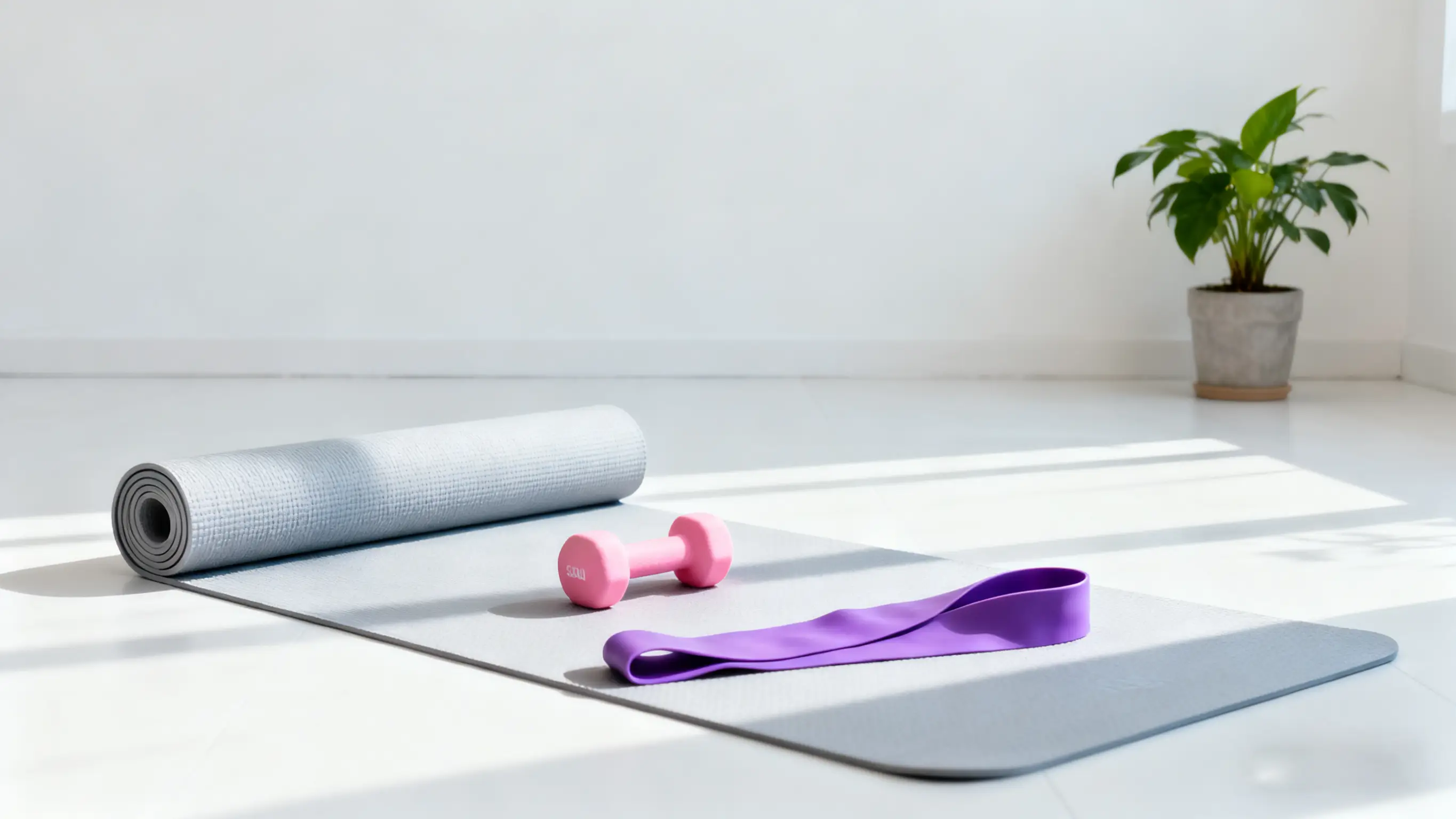
Even when you are only able to make a small and somewhat modest investment, you can still drastically improve your health and well-being by purchasing low-cost upgrades for your wellness routine. Self-made spa-at-home rituals such as warm baths with salt, essential oil alternatives, and easy-to-make skincare recipes not only save you from expensive product buying but also give the experience of renewal. Training at home with the help of free YouTube videos or minimal and cheap workout tools like resistance bands can bring you the same results as a costly gym membership.
Cheap-wellness plans can also be a big part of the good-staying puzzle. Cooking more meals at home, buying fresh food, and lessening processed snacks are some of the things that can both make you healthier and money-wise. Simple changes like increasing water intake, eating fruits and vegetables that are in season, or preparing food beforehand can all bring noticeable improvements.
Emotional and Social Self-Care That Costs Little or Nothing
Care for oneself should not be comprehended in terms of solely physical practices. The emotional and social aspects of a human being are just as important. Writing down one's thoughts keeps the person in touch with the emotional side, helps set new challenges, and develops self-awareness. Gratitude exercises raise your overall feeling of being well and turn your attention to the positive experiences of life. Keeping up strong social bonds through such things as conversations, walks in groups, or having meals together, thus, can increase one's wellbeing to a large extent.
People need to belong to social groups to live well and luckily, most of the deep and meaningful interactions require almost no money. One way or another, whether it is through free community groups, local activities, or simple time with family and friends, emotional self-care is the pillar of eventual happiness.
How to Self-Care Less but Still Keep Its Quality
It is not as difficult as people usually think to know how to self-care for less. It basically requires switching the consumer-driven wellness type of mentality to the one that is intentional and focused on well-being.
Develop Routine Suitable for Your Budget and Life
The first step towards developing a long-lasting self-care plan is figuring out the needs of the person. Instead of just copying expensive wellness routines you see on social media, try to work on habits that really help your mental and physical health. A simple weekly schedule of practices such as journaling, home workouts, stretching, and cooking healthy meals can provide not only the financial side of the story but also the notion of a meaningful structure.
Besides that, community resources can be very helpful. For instance, libraries provide free books, audiobooks, and workshops. Parks offer nice spots for your exercise or meditation. Many local organizations may also provide fitness classes, support groups, and educational events free of charge.
Carry Out Mindful Spending When Buying Wellness Goods
Wellness marketing can sometimes trick consumers. The majority of products can be “essential,” “detoxifying,” or “premium” and yet deliver very little if any benefit. Mindful spending is the only way to figure out the true value. What needs to be done before buying any wellness product is to ask oneself:
- Is this helping to solve a real problem?
- Could I get the same advantage for free or at a lesser price?
- Is this something that I will consistently use?
Moving wellness-related spending records to a daily planner is one of the ways to limit spontaneous purchasing and be sure that every dollar goes towards habits that match one's way of life.
Environmentally Friendly Wellness Habits That Will Last
Wealth to health over time is mostly about consistency rather than costly programs. Small daily habits that can be repeated and gradually become unstoppable can lead to the long-term goal and positive change. For example, drinking water regularly, making sleep a top priority, stretching throughout the day, keeping relationships that matter, and learning to set firm boundaries are all actions that lead to the overall well-being of an individual.

When one picks habits which not only bring good results but are also affordable, it is then possible to build a long-lasting routine that spreads with a person. The main thing is no longer about spending but rather cultivating a balanced mindset and lifestyle.
Conclusion
Wellness on a budget is not just a fad—it is a wave that is changing the way people treat themselves. By using simple self-care techniques that are budget-friendly and being conscious of your daily habits, anybody can master the art of self-care at a low cost and still keep the quality. The core of well-being is not about the money but the purpose. A lifestyle that genuinely nurtures your mental and physical health is what makes your life richer, healthier, and more satisfying without the need to splurge.
FAQ
1.What does budget-friendly wellness mean?
Budget-friendly wellness centers on the advancement of one's physical and mental health by means of wallet-friendly or even free habits in lieu of costly programs or products.
2. What are some great cheap self-care ideas?
Going for a walk, writing in a journal, meditating, doing some stretching, getting your sleep routine right, and using free online workout videos are all very effective and inexpensive ways.
3. In what ways can I do self-care at a lower cost yet maintain the same quality?
Make use of local resources, create simple daily habits, refrain from buying unnecessary wellness products, and concentrate on the regularity of practices that bring you genuine long-term results.
Hot Products
 Lukasa Christmas Gifts, Christmas Candle Warmer Lamp, with Timer and Dimmer, Adjustable Height Candle Lamp, Wax Melt Warmer for Scented Jar Candles, Christmas Gifts for Women Mom Girls Teens Adults$19.49$29.9935%
 Military Smart Watch for Men(Answer/Make Call), Outdoor Sports Smartwatch with Flashlight/100 Days Battery/Compass/Heart Rate/SpO2/Sleep Monitor/2 Straps, Fitness Tracker for iPhone/Android Phones$22.79$45.5750%
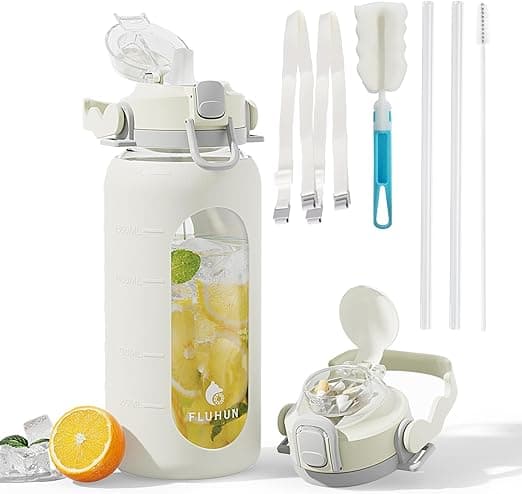 64 Oz Glass Water Bottles with Straw Lid and Handle, Half Gallon Water Bottle Glass with Silicone Sleeve and Strap, Motivational Glass Bottle with Time Marker, Reusable Sport Water Jug (White)$15$29.9950%
Top Articles
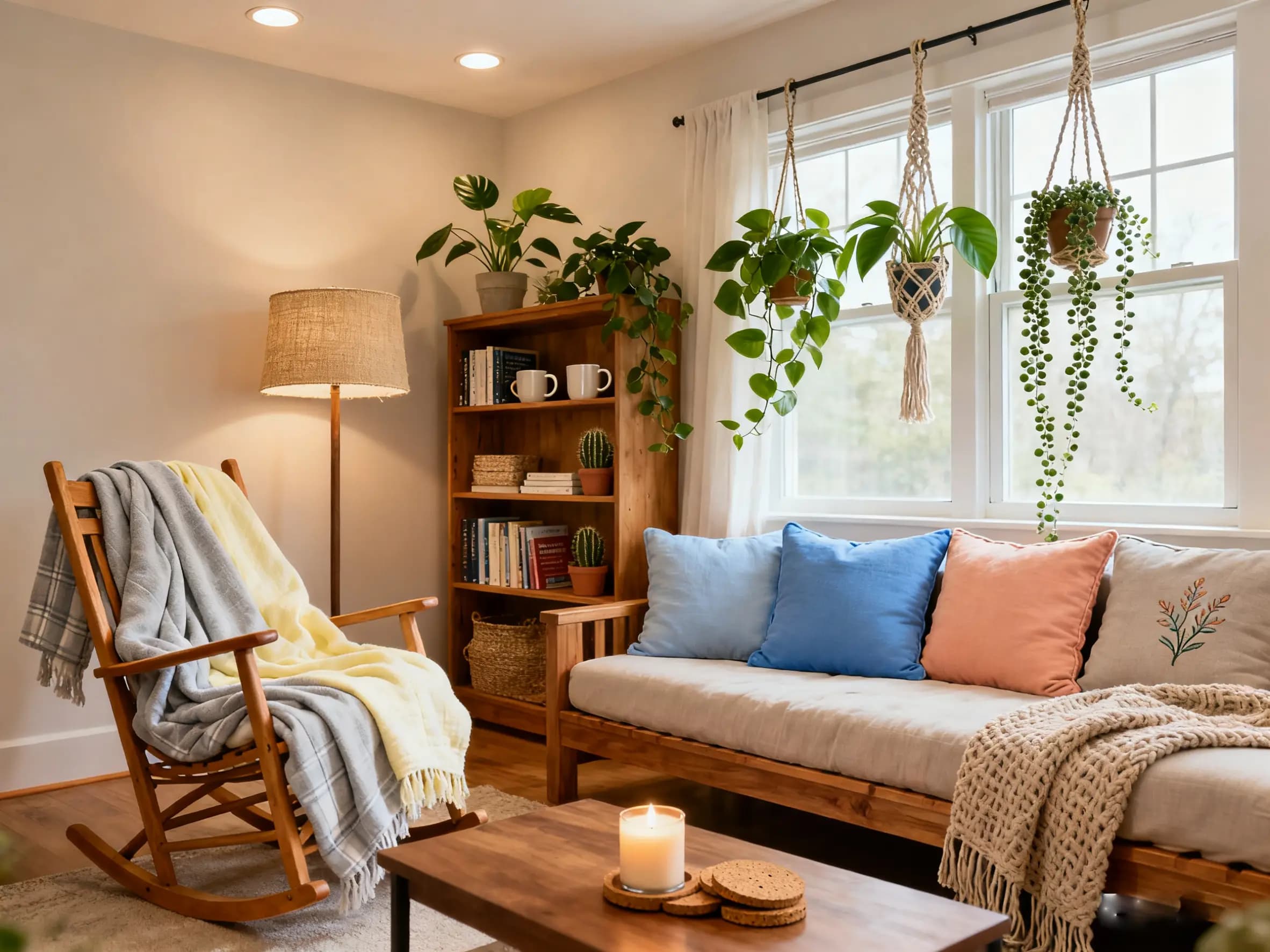 How to Create a Cozy Home on a BudgetDiscover cozy home decorating ideas on a budget and learn affordable home decor tips and interior design tricks to create warmth and style for less
 Smart Shopping Tips for Conscious Consumers 2025Learn smart shopping tips and conscious consumer habits to make intentional purchases that align with your values and build a mindful sustainable lifestyle
 Budget Home Refresh Ideas to Upgrade Your Space for LessGet budget home refresh ideas and affordable home upgrades with simple low cost home improvement tips to make your space look new.
 Why Young People Choose Value in the Frugal MovementDiscover why the new frugal movement is rising as young people choose value over hype focusing on mindful spending durability and meaningful purchases.
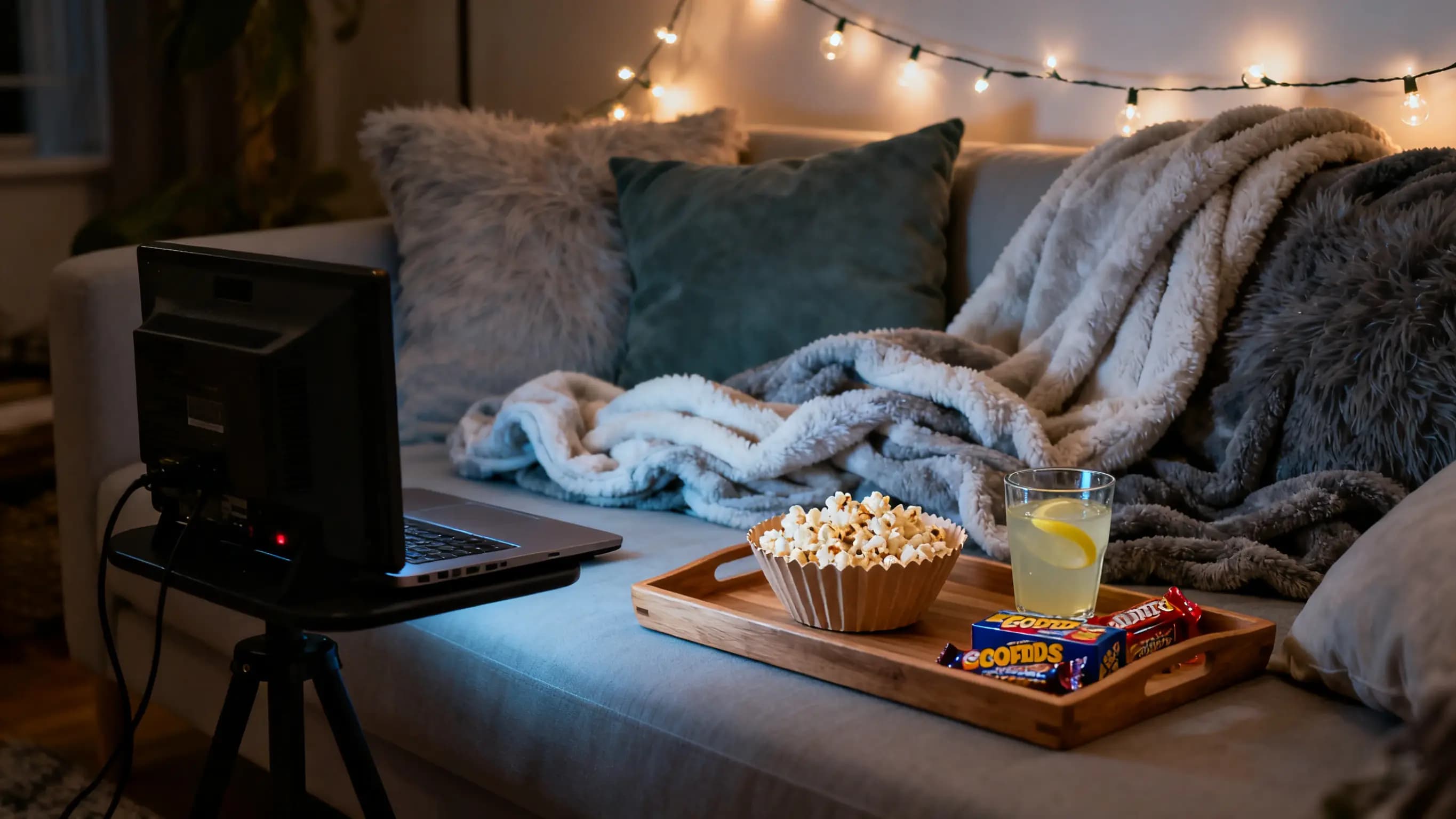 How to Plan a Low Cost Weekend That Feels SpecialLearn simple low cost weekend ideas and budget friendly plans that help you relax recharge and enjoy meaningful moments without overspending.